Source Folded School Training Chair for Classrooms, Colleges, and Events
Explore 30 options for the folded school training chair, featuring steel tube frames and plastic or wood backs. Compare sizes, certifications, and customization availability to find durable seating for educational institutions; compare the available evidence and request quotations based on your requirements.
Key considerations
Products List


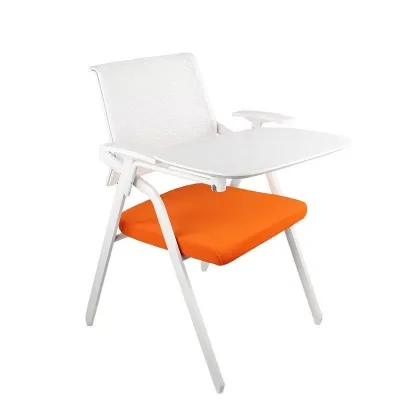


Comprehensive Sourcing Guide
Folded School Training Chair Sourcing Guide
Procuring folded school training chairs requires a precise understanding of the specific product attributes observed in the current market, particularly the distinction between folded and unfolded states. Buyers must verify whether the listed unit is a fully assembled piece or a knock-down package, as the observed data indicates a mix of "Folded" and "Unfolded" conditions alongside "Knock Down" packing specifications. This distinction directly impacts logistics planning, as the shipping volume and assembly labor requirements differ significantly between pre-assembled units and flat-pack components designed for efficient transport.
The observed product range includes models with varying dimensions, such as 444775 cm and 534685 cm, which suggests that a single SKU may not fit all training environments. Sourcing strategies must account for these size variations to ensure the chairs fit the intended space in colleges or training institutions. Additionally, the presence of specific materials like steel tubes and plastic or wood backs necessitates a careful review of the structural integrity relative to the intended usage frequency, ensuring the selected model meets the durability expectations for high-traffic educational settings.
Product Scope and Observed Listing Signals
The market for folded school training chairs presents a diverse array of configurations, ranging from modern styles with square shapes to specific models like EC0050 and SC0155 that cater to different institutional needs. Buyers should note that while some listings specify "Without Armrest" and "Fixed" rotary features, others offer customization options that allow for tailored solutions. This variability means that procurement teams must clearly define their functional requirements before engaging with suppliers, as the default offerings may not align with specific ergonomic or spatial constraints of the training facility.
Color and material variations are prominent signals in the current listings, with options including black, green, and yellow finishes, as well as back materials made from plastic, PP plastic, or wood. These aesthetic and material choices are not merely cosmetic but influence the longevity and maintenance requirements of the furniture. When evaluating listings, buyers must cross-reference the observed color options with the specific model numbers to ensure consistency across a large order, as mixing different batches or models could result in visual inconsistencies that detract from the professional appearance of the training environment.
Technical Specifications to Verify
Dimensional accuracy is a critical verification step, as the observed data lists multiple size specifications ranging from 384083 cm to 534685 cm. Buyers must confirm the exact footprint and height of the chair to ensure it accommodates the average user height and fits within the designated seating rows. The steel tube thickness, observed at 1.2mm in some listings, is a key indicator of structural strength, and verifying this specification against the intended load-bearing requirements is essential to prevent premature failure in a high-use school or training setting.
The assembly method and condition of the product are equally vital technical parameters to validate before finalizing a purchase. The listings indicate a mix of "New" condition items and "Knock Down" packing, which implies that the buyer must assess the complexity of the on-site assembly process. Furthermore, the distinction between "Folded" and "Unfolded" states in the product descriptions requires clarification to ensure the delivered goods match the expected storage and deployment capabilities, preventing logistical surprises upon delivery to the training center.
Compliance and Safety Documentation
Safety compliance is a non-negotiable aspect of sourcing school furniture, with observed listings frequently citing CE and ISO certifications as standard markers of quality. Buyers must request and verify the specific certification documents for each model, ensuring that the CE marking corresponds to the relevant European safety directives and that the ISO certification covers the specific manufacturing processes used for the steel frames and plastic components. The presence of RoHS and CCC certifications in some listings further indicates adherence to environmental and Chinese safety standards, which may be required depending on the destination market of the training institution.
Beyond general certifications, the warranty terms provide a tangible measure of the manufacturer's confidence in their product's durability. The observed warranty period of 3-5 years suggests a commitment to long-term performance, but buyers must scrutinize the specific terms to understand what constitutes a valid claim. It is crucial to verify whether the warranty covers structural failures of the steel tubes or wear and tear on the plastic and wood backs, ensuring that the protection aligns with the expected usage intensity in a school or training environment.
Cost Drivers and Commercial Terms
The price range observed in the market, spanning from 4.5 to 56.19 USD, reflects significant variations driven by material quality, model complexity, and customization levels. Buyers must analyze the cost drivers behind these price points, such as the use of wood versus plastic backs or the thickness of the steel tubing, to determine the value proposition of each option. Understanding these factors helps in budgeting effectively, ensuring that the selected chairs offer the best balance between cost and the required durability for the specific training application.
Minimum Order Quantities (MOQ) and lead times are critical commercial terms that influence the overall procurement strategy, with observed MOQs ranging from 1 to 1000 units. For smaller institutions, the lower MOQ options provide flexibility, while larger organizations may leverage higher volumes to negotiate better pricing. Additionally, the "Knock Down" packing method observed in several listings can reduce shipping costs, but buyers must factor in the potential for increased assembly labor costs on-site, ensuring the total cost of ownership remains within the allocated budget.
Supplier Qualification and Quality Control
Supplier qualification should focus on verifying the origin and production capabilities, as the data indicates origins in China, specifically Jinhua, Zhejiang, which is a known manufacturing hub for furniture. Buyers must confirm that the supplier has a proven track record of producing the specific models observed, such as EC0046 or SC0093, and possesses the capacity to maintain consistent quality across large batches. The "Customization" attribute available in the listings suggests that suppliers should have the flexibility to adapt designs, but this capability must be validated through samples and past performance records.
Quality control protocols must be established to ensure that the "Durable" advantages claimed in the listings are substantiated by actual product performance. Buyers should implement a rigorous inspection process that checks for defects in the steel tube welding, the stability of the folding mechanisms, and the finish quality of the plastic or wood components. Given the "New" condition of most items, it is essential to verify that the products have not been compromised during storage or transit, ensuring that the chairs arrive in pristine condition ready for immediate deployment in the training facility.
Long-Term Procurement Checks
Long-term procurement success relies on monitoring the warranty fulfillment and the availability of replacement parts for the specific models purchased. Since the observed warranty period is 3-5 years, buyers must establish a clear communication channel with the supplier to handle any potential claims efficiently. This proactive approach ensures that any structural issues, such as frame fatigue or material degradation, are addressed promptly, maintaining the safety and functionality of the training chairs over their intended lifespan.
Regular audits of the supplier's production standards and adherence to the observed certifications are necessary to maintain quality consistency over time. Buyers should periodically request updated test results or certification renewals to ensure that the supplier continues to meet the required safety and environmental standards. Additionally, tracking the performance of the chairs in the field provides valuable feedback that can inform future purchasing decisions, allowing the institution to refine its specifications for subsequent orders based on real-world usage data.
FAQs
What are the standard dimensions for folded school training chairs?
Standard dimensions vary by model, typically ranging from 38x40x83 cm to 53x46x85 cm. Specific models like EC0050 measure 44x47x75 cm, while EC0046 measures 53x46x85 cm. Buyers should verify exact size requirements against the specific product model to ensure proper fit for their training institution or college space.
Can these chairs be customized for specific branding needs?
Yes, customization is available for many folded school training chair models. Manufacturers offer options for different colors, including black, green, and yellow, as well as varied back materials like plastic, PP plastic, or wood. Buyers can request specific branding or design adjustments to meet institutional requirements.
What certifications do these school chairs typically hold?
Most folded school training chairs hold CE and ISO certifications, ensuring compliance with international safety and quality standards. Some models also include RoHS and CCC certifications. These credentials verify that the products meet rigorous manufacturing and material safety requirements for educational and training environments.
How durable are the steel frames used in these chairs?
The steel tube frames typically feature a thickness of 1.2mm, providing robust support for college and school use. With a warranty period of 3-5 years, these chairs are designed for durability and long-term heavy use. The sturdy construction ensures stability for students during extended training sessions.
What is the typical packaging method for these chairs?
These chairs are commonly packed in a knock-down format to optimize shipping efficiency and reduce costs. This disassembly-friendly design allows for compact storage and easier transportation. Buyers benefit from reduced logistics expenses while ensuring the chairs arrive safely for quick assembly at their destination.
Where are these school chairs primarily manufactured?
These chairs are primarily manufactured in China, with specific origins noted in Jinhua, Zhejiang. This region is known for its strong furniture manufacturing infrastructure. Buyers can expect consistent production capabilities and access to a wide range of models from these established manufacturing hubs.